

What Could Hotter Summers Mean for Your Business Insurance?
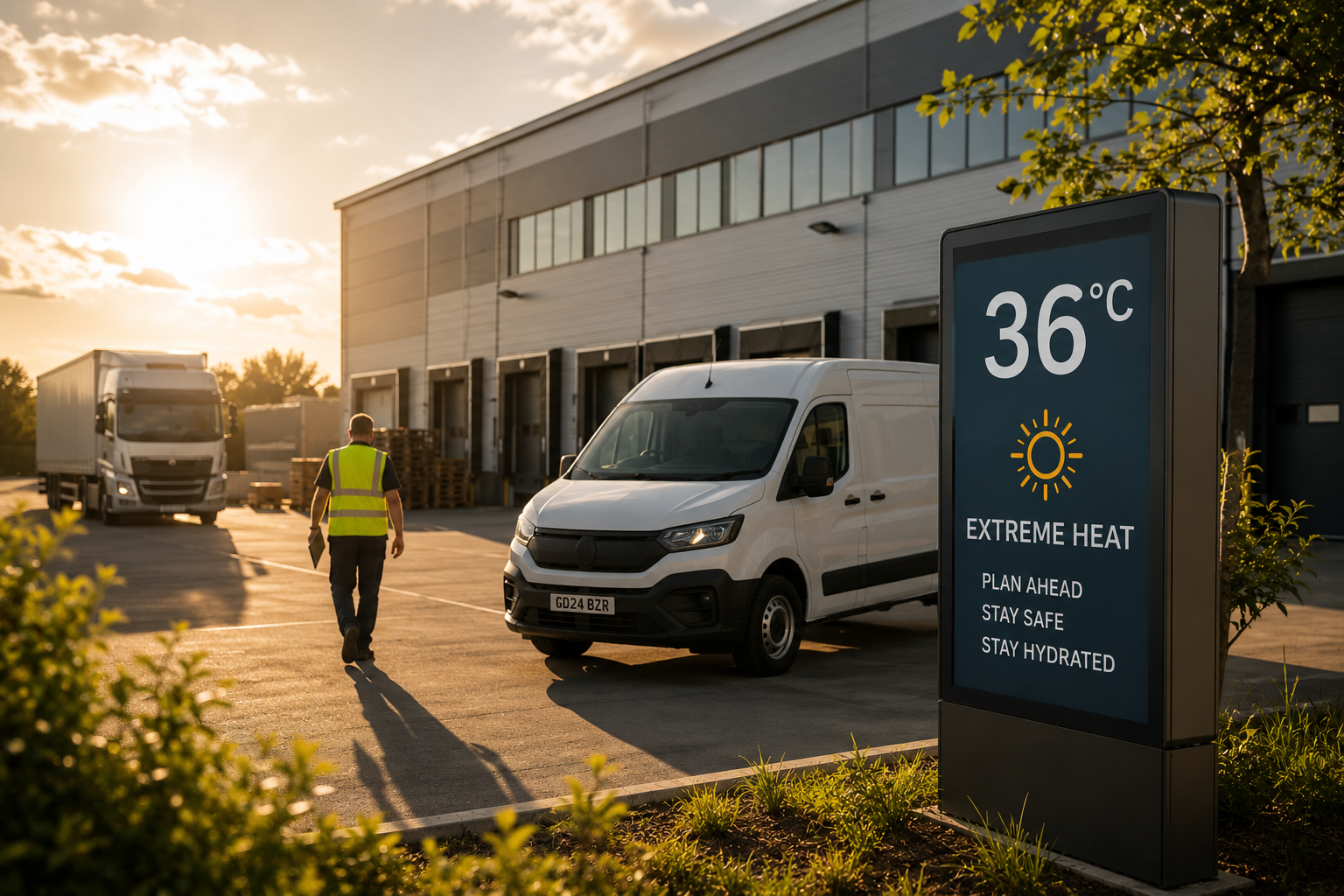
As I write this article, temperatures across parts of the UK are climbing towards 37°C despite it only being June.
By the time you read this, the weather may have changed completely. It may be pouring with rain. British weather has always been unpredictable, but one thing is becoming increasingly clear: businesses are having to consider how more frequent periods of extreme weather could affect their operations.
While flooding often dominates discussions around climate-related insurance, prolonged periods of heat present their own set of challenges. From commercial property and vehicle fleets to employee wellbeing and supply chains, rising temperatures are creating new risks that many organisations are only beginning to consider.
Commercial Buildings Face New Challenges
Many commercial buildings across the UK were designed to retain heat rather than cope with prolonged periods of exceptionally high temperatures.
Extended hot weather can place additional stress on roofs, external cladding, glazing systems and building materials as they repeatedly expand and contract. Ground movement during long dry spells can also increase the risk of subsidence, particularly for premises built on clay soils.
Following the record-breaking summer of 2022, the Association of British Insurers reported unprecedented levels of subsidence claims, highlighting how sustained heat can result in significant structural damage.
For businesses, damage to commercial premises can mean far more than repair costs. Operational disruption, temporary relocation and business interruption can often have a much greater financial impact.
Fleets and Commercial Vehicles Under Pressure
Extreme temperatures don't just affect buildings.
For businesses operating company vehicles or larger fleets, prolonged hot weather can increase wear on tyres, batteries, cooling systems and air-conditioning units. Road surfaces may soften under sustained heat, while higher temperatures can place additional strain on vehicle components during daily operations.
Electric commercial vehicles introduce additional considerations. Although modern battery technology performs well in hot conditions, thermal management systems become increasingly important during periods of sustained high temperatures.
While these issues are often maintenance rather than insurance concerns, they can contribute to vehicle downtime, breakdowns and disruption to business operations.
Supply Chains and Business Travel
Extreme heat has the potential to affect far more than individual businesses.
Across Europe, higher temperatures are increasingly contributing to transport disruption, infrastructure pressures and, in some regions, an increased risk of wildfires. For organisations relying on timely deliveries, travelling employees or international supply chains, these events can quickly impact day-to-day operations.
Business travel may also become more vulnerable to delays, cancellations and disruption as weather patterns continue to evolve.
The Insurance Industry Is Watching Closely
Insurance is built on understanding and pricing risk.
As weather patterns change, insurers continually analyse emerging trends to understand how they may influence future claims across commercial property, fleet, liability and business interruption insurance.
This doesn't necessarily mean businesses should expect significant premium increases. The insurance market continually adapts as new data becomes available. However, climate resilience is becoming an increasingly important consideration for insurers, brokers and businesses alike.
Emerging Risks for Businesses
One of the biggest questions isn't simply how hotter summers affect existing risks, but what entirely new risks they may create.
Businesses may need to consider:
Greater demand on air-conditioning and electrical systems.
Increased cooling requirements for warehouses and data rooms.
Changes to working practices during periods of extreme heat.
Additional pressure on transport infrastructure and delivery schedules.
Higher demand for flexible working arrangements.
Increased business interruption risks caused by prolonged periods of extreme weather.
Many of these risks are still evolving, but they're becoming an increasingly important part of business continuity planning.
Looking Ahead
No one can predict exactly what future UK summers will look like. Britain will almost certainly continue to experience a mixture of heatwaves, heavy rainfall and rapidly changing weather.
What is becoming increasingly clear, however, is that businesses are placing greater emphasis on resilience.
Whether it's reviewing property maintenance programmes, planning fleet replacement strategies or ensuring appropriate insurance arrangements are in place, understanding how climate-related risks are changing can help organisations prepare for the future.
At Grove & Dean Insurance Brokers, we work with businesses of all sizes to help them understand emerging risks and arrange insurance solutions that support their operations today while preparing for the challenges of tomorrow.